The Best Colorado Pond Fish
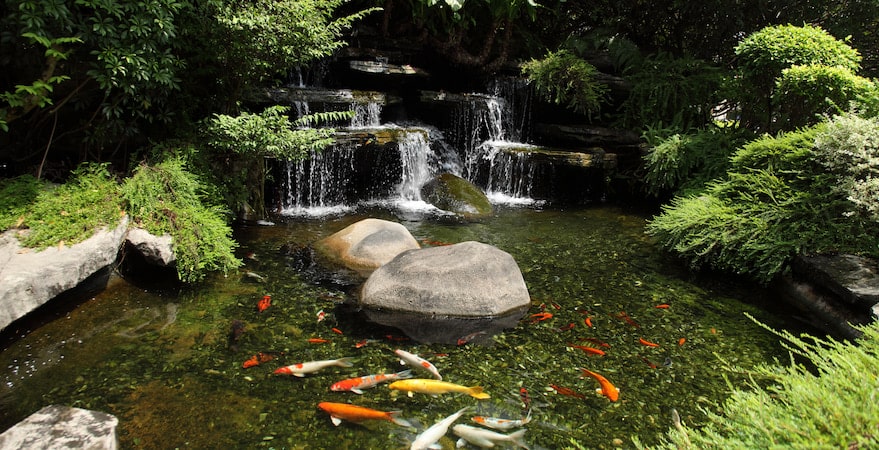
Adding fish to a backyard pond brings color, movement, and personality to outdoor spaces. With proper pond design, clean water, and simple care, koi and goldfish can thrive in Colorado's changing weather.
- Koi are colorful and can grow 18 to 24 inches, needing larger ponds with strong filtration. They may live 20 years or more and often recognize their owners.
- Goldfish are hardy and easier to care for, making them ideal for smaller ponds. Outdoor varieties like comets and shubunkins grow 8 to 10 inches.
- Both fish can live together in a well-filtered pond with enough space. Good water quality, proper feeding, and places to hide help keep fish healthy through all seasons.
The best fish for a Colorado pond include koi, goldfish, and shubunkins, which thrive in the state's climate with proper pond depth for winter survival. These cold-hardy species add vibrant color and movement to backyard water features. Koi are popular for their size and patterns, while goldfish and shubunkins offer low-maintenance options for smaller ponds.
Adding Colorado pond fish to a backyard pond is one of the best ways to make the water feature feel alive. Fish add color, movement, and personality. They give you something peaceful to watch while you relax outside, and many homeowners love seeing them swim near the waterfall or come up at feeding time.
But choosing fish can feel a little confusing at first. Many people wonder which fish will do best in Colorado’s weather and what kind of care they need.
The good news is that you do not need to be a fish expert. With the right pond design, clean water, and simple care, koi and goldfish can both be great choices. At BR&D Landscape, we help Colorado homeowners create ponds that are built for beauty, balance, and healthy fish.
Why Colorado Pond Fish Need the Right Pond Setup
Colorado weather can change a lot from season to season. Summer days can be warm and sunny, while winter can bring freezing temperatures. Because of this, fish need a pond that gives them a safe and healthy place to live all year.
A good fish pond should have clean water, steady movement, and strong filtration. Waterfalls, streams, and aeration help add oxygen to the water, which fish need to stay healthy.
Depth is also important. Fish need deeper areas where they can stay cooler in summer and safer in winter. When the weather gets cold, fish slow down and spend more time near the bottom of the pond. A pond that is too shallow may not give them enough protection.
When a pond is planned and built correctly, Colorado Pond Fish can do very well through the changing seasons.
Koi as Pond Fish
Koi are one of the most popular fish for backyard ponds. They are colorful, graceful, and fun to watch. Many koi even learn to recognize people and may swim to the surface when they see you nearby.
Koi are best for larger ponds because they need room to grow. Small koi may look tiny at first, but they can grow to 18 to 24 inches or even larger. That means they need plenty of swimming space, good filtration, and clean moving water.
Koi can also live for many years with the right care. Some live 20 years or more, so they should be thought of as long-term pets, not just pond decorations.
These fish do best in ponds with a strong pump, a good filter, and plenty of oxygen. A waterfall or aerator can help keep the water moving and support fish health. Clean water also makes it easier to enjoy their bright colors.
For homeowners with a larger pond, koi can be a beautiful and rewarding type of Colorado Pond Fish.
Goldfish as Colorado Pond Fish
Goldfish are another great choice for backyard ponds in Colorado. They are hardy, colorful, and usually easier to care for than koi. They are often a good fit for smaller ponds.
Pond goldfish are different from the small goldfish many people picture in a bowl. Outdoor varieties like comets and shubunkins can grow to around 8 to 10 inches. They still need room, but not as much space as koi.
Goldfish also come in many colors and patterns. They can be orange, red, white, black, or a mix of colors. Some have spots, and some have longer fins. A group of goldfish can make a pond feel bright and lively.
Another reason homeowners like goldfish is that they are forgiving. They can handle small changes in water and weather better than many other fish. With a good pond system and basic care, goldfish can be a smart choice for many Colorado yards.
For smaller ponds or homeowners who want fish that are simple and pretty, goldfish may be the best place to start.
Can Koi and Goldfish Live Together?
Koi and goldfish can live together in the right pond. They are peaceful fish and often do well together when they have enough space.
The key is making sure the pond is large enough and filtered well enough for both. More fish means more waste in the water. If the pond becomes overcrowded, the water can get cloudy, and the fish may become stressed.
Both koi and goldfish can also breed. Over time, you may notice baby fish in the pond. This can be exciting, but it also means the number of fish can grow. Too many fish can make the pond harder to keep balanced.
If you want both koi and goldfish, BR&D Landscape can help you decide how many fish your pond can safely support.
How to Choose Pond Fish for Your Yard
The best fish for your pond depends on your space, your pond design, and how much care you want to handle.
If your pond is larger and deeper, koi may be a great choice. They are social, impressive, and beautiful to watch. They do need more space and stronger filtration, so they are best for ponds designed with koi in mind.
If your pond is smaller, goldfish may be a better fit. They are colorful, hardy, and easier to manage. They still bring plenty of life to the pond without needing as much room.
Some homeowners start with goldfish and later add koi when they expand or upgrade their pond. Others build a koi pond from the beginning because they know they want larger fish.
Before choosing Colorado Pond Fish, ask yourself a few simple questions. How big is the pond? How deep is it? Does it have good filtration? Do you want larger fish you can interact with, or smaller fish that are easier to care for?
The answers can help you choose fish that fit your pond and your lifestyle.
Simple Care Tips for Colorado Pond Fish
Once fish are added to your pond, good care helps keep them healthy. The most important thing is water quality. Fish need clean, moving, filtered water to thrive.
Do not add too many fish. More fish may sound fun, but too many can lead to dirty water and stress. It is better to have fewer healthy fish than a crowded pond that is hard to maintain.
Feed carefully. Fish do not need as much food as many people think. Feed only what they can eat in a few minutes. Extra food sinks, breaks down, and can cause water problems.
In cooler weather, fish slow down. Their bodies do not digest food the same way when water temperatures drop. During colder parts of the year, you may need to feed less or stop feeding for a while.
Keep your pump, filter, and waterfall working well. These parts help move the water and support oxygen levels. Clean skimmer baskets and filter pads as needed so the system can do its job.
It also helps to give fish places to hide. Rocks, aquatic plants, ledges, and deeper areas help fish feel safe from birds, sun, and stress.
One of the easiest care tips is simply to watch your fish. If they are swimming normally, eating well, and acting active, those are good signs. If they are hiding, gasping at the surface, not eating, or acting strangely, it may be time to check the water or call a pond professional.
BR&D Landscape Can Help with Colorado Pond Fish
Choosing the right fish does not have to feel confusing. Koi and goldfish are both great choices when the pond is designed, built, and maintained the right way.
BR&D Landscape helps Colorado homeowners create ponds that support healthy fish, clean water, and long-lasting enjoyment. Whether you want colorful goldfish, graceful koi, or a mix of both, the right setup makes all the difference.
With the right pond fish, your backyard pond can become a peaceful, living part of your outdoor space.