Denver Pond Water Problems: Common Causes and Simple Solutions
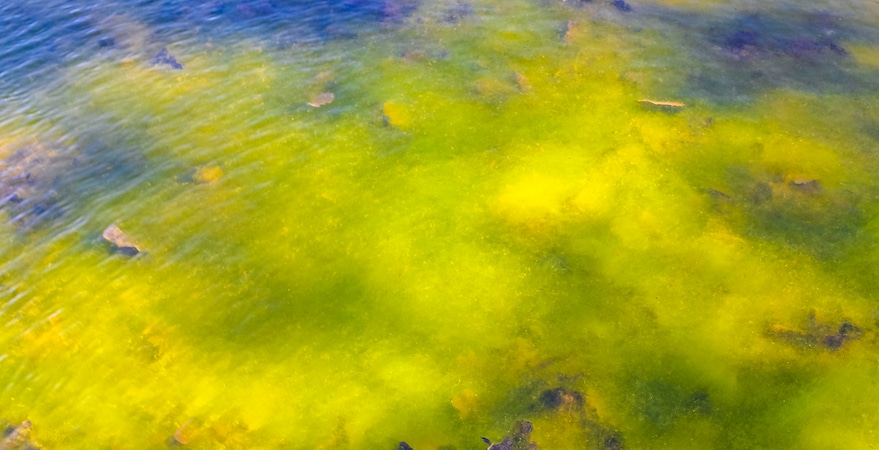
Backyard ponds in Denver and nearby Colorado communities often experience water problems like cloudiness, algae, and debris buildup due to seasonal temperature changes and weather conditions. Most issues can be improved with better circulation, healthy filtration, and regular maintenance.
- Green water comes from algae blooms in spring and early summer when plants have not grown enough to compete for sunlight and nutrients. UV clarifiers, beneficial bacteria, and proper filtration can help clear the water.
- String algae and sludge form when excess nutrients from fish waste, leaves, pollen, and uneaten food accumulate. Regular cleaning, avoiding overfeeding fish, and adding aquatic plants help reduce buildup.
- Good water circulation through waterfalls, aerators, and properly sized pumps is key to preventing stagnant areas where debris collects and algae grows faster.
Pond water problems in Denver are typically caused by factors that disrupt the natural ecosystem balance. Common causes include excess nutrients from fish waste or decaying organic matter, insufficient filtration, algae overgrowth due to too much sunlight, low oxygen levels, and seasonal changes. Denver's dry climate and temperature swings can also affect water clarity and quality throughout the year.
A backyard pond should add beauty, movement, and a peaceful feeling to your landscape. But because a pond is a living ecosystem, the water may not look perfect every day of the year.
Pond owners in Denver, Lakewood, Arvada, Golden, Littleton, Highlands Ranch, Centennial, Parker, and nearby Colorado communities may notice cloudy water, algae, or debris collecting on the pond bottom. These changes are common, especially as temperatures rise and fall throughout the season.
The good news is that many Denver pond water problems can be improved with better circulation, healthy filtration, and regular care.
What Helps Keep a Denver Pond Healthy?
Healthy pond water depends on several parts working together.
A balanced pond may include a skimmer, biological filter, properly sized pump, aquatic plants, beneficial bacteria, fish, rocks, and gravel. Waterfalls and aerators also help by keeping the water moving and adding oxygen.
When one part of the system is not working well, the pond may begin to show signs of stress. A clogged filter, weak pump, too many fish, or excess debris can quickly affect water quality.
Colorado weather can also play a role. Sudden temperature changes, strong sunlight, spring snow, summer heat, and heavy storms can all temporarily change the appearance of a pond.
Why Is My Pond Water Green?
Green pond water is usually caused by tiny algae particles floating throughout the water.
These algae blooms often appear in spring or early summer. The water begins warming, but pond plants may not be fully grown yet. This gives algae access to sunlight and nutrients without much competition.
Ponds in sunny areas of Denver, Aurora, Wheat Ridge, Westminster, and Broomfield may be especially likely to experience green water.
Better filtration, healthy plant growth, beneficial bacteria, and proper circulation can help the pond clear. A UV clarifier may also be helpful when it is correctly sized and installed as part of the filtration system.
What Causes String Algae in a Pond?
String algae usually grows on rocks, waterfalls, gravel, and pond edges. A small amount is normal and may even be part of a healthy ecosystem.
It becomes a problem when it forms thick mats, blocks water flow, or covers large sections of the pond.
String algae grows quickly when there is plenty of sunlight and excess nutrients in the water. Fish waste, dying plant material, leaves, pollen, and uneaten fish food can all add nutrients.
To reduce string algae:
- Remove loose algae by hand when possible
- Avoid overfeeding pond fish
- Keep the skimmer and filters clean
- Add more aquatic plants
- Remove dying leaves and flowers
- Maintain good circulation
- Use beneficial bacteria regularly
Pond-safe algae treatments may provide extra help, but they work best when the cause of the algae is also corrected.
Why Does Pond Water Look Brown?
Brown or tea-colored water is often caused by leaves, mulch, twigs, or other organic material entering the pond.
As this material breaks down, it releases natural color into the water. This is common in ponds surrounded by trees or landscaped beds.
Ponds in wooded or mature neighborhoods around Evergreen, Morrison, Golden, Cherry Hills Village, and Greenwood Village may collect more leaves and plant debris.
Removing the material, cleaning the skimmer, and completing a partial water change may improve the water. It is also helpful to make sure mulch and soil cannot wash into the pond during rain or irrigation.
What Causes Milky or Gray Pond Water?
Milky, white, or gray water may be caused by fine dirt, disturbed sediment, temporary bacteria growth, or filtration that has not caught up yet.
This can happen after:
- A pond cleanout
- Heavy rain
- Nearby landscaping work
- New construction
- Rocks or gravel being disturbed
- A filter being restarted
In many cases, the pond simply needs time to settle. Fine filter pads can help capture small particles. It is also important to check that the pump is moving the correct amount of water through the filter.
How Does Sludge Form on the Pond Bottom?
Sludge is the dark material that settles between rocks and along the bottom of the pond.
It is made from leaves, pollen, fish waste, uneaten food, and decaying plant material. A light amount is normal, but too much sludge can create odors, feed algae, and lower water quality.
Sludge may build up faster in areas where water does not move well. It can also become a bigger concern after fall leaves, spring pollen, or summer storms.
How Can Pond Sludge Be Reduced?
The best way to manage sludge is to prevent large amounts of debris from reaching the bottom.
Empty skimmer baskets regularly and remove leaves before they sink. Trim dying pond plants and make sure the pump is creating circulation throughout the entire feature.
Beneficial bacteria can help break down organic waste naturally. Pond-safe sludge treatments may also support the cleaning process.
If the buildup is heavy, the pond may need a professional cleanout. Routine maintenance can prevent the sludge from becoming a larger water quality problem.
Can Too Many Fish Affect Pond Water?
Yes. Fish are an important part of the pond, but every pond has a limit.
Too many fish can create more waste than the filtration system can handle. This may lead to cloudy water, algae, poor water quality, and lower oxygen levels.
Overfeeding creates a similar problem. Food that is not eaten settles into the pond and begins to decay.
Fish should be fed only what they can finish within a few minutes. The pond should also have filtration that matches its size and fish population.
Why Is Water Circulation So Important?
Moving water helps spread oxygen and prevents stagnant areas.
When circulation is weak, debris collects more easily and algae may grow faster. Fish and beneficial bacteria also depend on oxygen-rich water.
Waterfalls, streams, fountains, and pond aerators can all improve circulation. The pump must be strong enough to move water through the full pond and filtration system.
If one section of the pond constantly collects debris, it may be a sign that the circulation pattern needs to be improved.
Do Pond Plants Help Improve Water Quality?
Pond plants do much more than add color.
Waterlilies and floating plants shade the surface, which can help reduce algae growth. Other aquatic plants use nutrients that algae would otherwise consume.
Plants also provide shelter for fish and help the pond feel more natural.
During the growing season, a good mix of pond plants can make water quality easier to manage. Dead or damaged plant material should be removed before it decays in the pond.
Should Pond Water Always Be Crystal Clear?
A healthy pond does not have to look exactly the same every day.
Ponds respond to weather, sunlight, plant growth, fish activity, and seasonal changes. A short period of cloudy or green water may be temporary.
The goal is not to create sterile water. The goal is to maintain a stable ecosystem.
When the pond has proper filtration, steady circulation, healthy plants, beneficial bacteria, and regular maintenance, most water problems become much easier to control.
Professional Pond Help in the Denver Area
If algae, sludge, cloudy water, or poor circulation continues to be a problem, BR&D Landscapes can help identify the cause.
BR&D Landscapes can help with pond maintenance, filtration improvements, cleanouts, renovations, and water quality concerns. With the right care, your pond can stay healthy, attractive, and enjoyable throughout the season.