What Happens to Pond Fish in the Winter in Colorado?
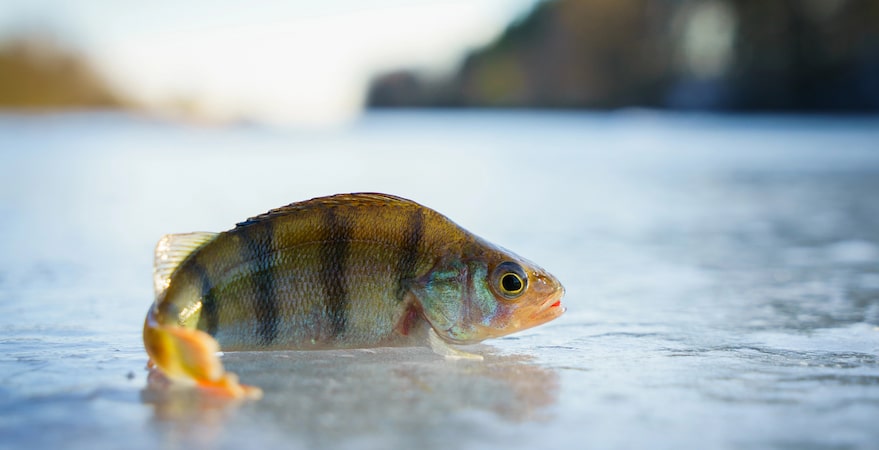
Koi and goldfish can survive Colorado winters outdoors when their pond is properly prepared. Their bodies adjust to the cold by slowing down and resting near the bottom of the pond.
- Fish are cold-blooded and use less energy in winter, often staying near the pond bottom and appearing inactive for weeks. This behavior is normal and helps them conserve energy until spring.
- Stop feeding fish when water temperature drops below 50 degrees, as cold water makes digestion difficult. Use a pond thermometer rather than air temperature to guide feeding decisions.
- Maintain an opening in the ice using an aerator or de-icer to allow gas exchange. Never smash ice to create an opening since the force can harm fish.
During Colorado winters, pond fish enter a state called torpor, where their metabolism slows dramatically as water temperatures drop. They stop eating and move to the deepest part of the pond, where water stays slightly warmer. Fish survive under ice as long as the pond maintains adequate oxygen levels and does not freeze solid to the bottom.
On a warm summer day, your pond fish may swim right up to greet you. They come to the surface for food, show off their colors, and explore the pond.
Then winter arrives, and they seem to disappear.
If you’re new to owning a pond, this change can be surprising. You may wonder if your fish are okay or if they need more help to stay warm.
The good news is that koi and goldfish can live outdoors through a Colorado winter when their pond is properly prepared. Their bodies adjust to the cold, and their daily habits change with the season.
Here’s what to expect from pond fish in winter and how to help them until warmer weather returns.
Why Do Pond Fish Slow Down in Winter?
Fish are cold-blooded, which means their body temperature changes with the water around them.
As pond water gets colder, fish slow down. They use less energy, swim less, and need less food. You may notice them spending more time near the bottom of the pond, where the water tends to be more stable than it is near the surface.
Your fish may sit quietly for long periods. They might not come to the surface when you walk by, even if they greeted you every day during the summer.
That’s usually normal. They’re adjusting to the season and saving energy until the water warms up again.
Where Do Pond Fish Go When the Pond Freezes?
When ice forms on the surface, fish stay in the water below it. A properly designed pond provides enough depth for fish to spend the winter beneath the ice.
You may not see them for days or even weeks, especially after a snowstorm. Snow can cover the ice and make it hard to see into the pond. Even without snow, your fish may stay low and out of sight.
It’s natural to miss seeing them, but try not to disturb them just to check on them. Fish need a quiet place to rest during the colder months.
If you’re concerned about your pond’s depth or whether it’s ready for winter, a pond professional can take a look and help you make a plan.
Do Pond Fish Need Food in Winter?
As the water cools, fish have a harder time digesting food. Feeding them when the water is too cold can cause problems, even if they appear interested in eating.
Use a pond thermometer to keep track of the water temperature, rather than relying on the air temperature. Colorado can have a sunny, mild afternoon even when the pond water is still quite cold.
As temperatures drop in the fall, ask your pond professional when to switch to a cold-water fish food and when to stop feeding. Once the water is consistently below about 50 degrees, it’s generally time to stop feeding until it warms again in spring.
Don’t worry that your fish will be hungry all winter. Healthy fish slow down and can go without food while the water is cold.
Do Pond Fish Need an Opening in the Ice?
Yes. An opening in the ice helps gases move between the pond water and the air. This is especially important when fish are spending the winter beneath the surface.
A pond aerator or floating pond de-icer can help maintain an opening. An aerator moves water by releasing bubbles, while a de-icer helps keep a small area around it from freezing. Your pond professional can recommend the right setup for your pond.
Check the opening during very cold weather and after snowstorms. Make sure your equipment is running and that the opening has not frozen over.
Never smash the ice to create an opening. The force can harm your fish. If your pond freezes completely, contact your pond professional for help opening it safely.
Can a Waterfall Run with Pond Fish in Winter?
Many homeowners love the look of a running waterfall in winter. Ice can form along the rocks while water continues to flow underneath, creating a beautiful scene.
A waterfall can run during cold weather, but it needs regular attention. Ice can build up and redirect water over the edge of the stream or waterfall. This can cause the pond’s water level to drop.
Check the water level and look for places where ice might be pushing water out of the pond. If you notice a large drop in water level, contact a pond professional.
Some homeowners choose to shut down their waterfall for the winter. If you do, your fish will still need a way to keep an opening in the ice. Talk with your pond professional about the best setup for your pond.
What About Leaves and Pond Plants?
Leaves and dead plant material can sink to the bottom of your pond. As they break down, they can affect the water quality.
It’s best to remove as much loose debris as you can before the pond freezes. You can also trim back pond plants as part of your fall pond care. The right timing depends on the type of plant, so ask for help if you’re not sure what to cut back.
Once your fish have settled in for winter, avoid stirring up the bottom of the pond or doing a major clean-out. Plan a thorough cleaning for spring, when the weather and water begin to warm.
How Can You Tell If Your Fish Are Okay?
Pond fish in winter often look very different from the active fish you see in summer. They may stay near the bottom, swim slowly, or gather together. These changes are usually part of their cold-weather routine.
Keep an eye on the pond without disturbing the fish. Check that the water level is steady and that there’s an opening in the ice. If you see a fish struggling, floating on its side, or showing signs of injury, reach out to a pond professional for advice.
What Happens When Spring Arrives?
As the water warms in spring, your fish will slowly become more active. You may see them swimming around more often and coming closer to the surface.
Be patient before feeding them again. A few warm days don’t always mean the pond water has warmed enough. Check the water temperature and talk with your pond professional about when to begin feeding and which food to use.
Spring is also a good time to schedule a pond clean-out and check your equipment after the long winter.
Help Your Pond Fish Through a Colorado Winter
Watching your fish disappear beneath the ice can take some getting used to. But with a properly prepared pond, an opening in the ice, and a little attention throughout the season, your fish can rest until warmer days return.
Not sure if your pond is ready for winter? BR&D Landscape can help. Our team can answer your questions and help you make a winter care plan for your pond and fish.